
GMS Diffusion - 27 bis avenue du Général de Gaulle - 72000 Le Mans - 02 43 20 69 40

Choosing the right cabin suitcase
Dimensions and storage capacity of a cabin suitcase
The capacity of your carry-on suitcase obviously depends on its dimensions. If you wish to travel with your suitcase in the passenger areas of various modes of transport, whether by plane, train, or boat, you will need to have carry-on luggage that meets certain rules. The main rule remains the IATA standard regarding dimensions. Thus, the dimensions of your suitcase must not exceed 56 x 45 x 25 cm. However, airlines may have different criteria. To avoid any unpleasant surprises with your airline, check the maximum dimensions allowed by your carrier.
In terms of interior capacity, cabin suitcases can vary considerably in volume for similar dimensions. Expect an average of 30 to 45 liters. This volume is suitable for short trips, but perhaps less so for longer journeys, where you might need to consider packing a checked suitcase in addition.
The weight of your luggage is also important, as the criteria vary from one airline to another. lightweight suitcase This will allow you to carry more weight and therefore avoid some low-cost airlines charging you extra for checked baggage. Sometimes paying a little more for your suitcase avoids this kind of inconvenience, so the extra cost is quickly recouped. The permitted weight of your carry-on bag can vary from 10 to 18 kg on average, depending on the airline.
What material should I choose for a cabin suitcase?
Durability and lightness are essential when buying a suitcase. It will be transported and handled frequently and must protect its contents. How do you know which type of suitcase is best? Hard-shell cabin suitcase , soft-sided cabin bag, or even a hybrid bag—so many options that make choosing the right one a real challenge. Don't worry, we've compiled a list of the different materials you can find on the market.
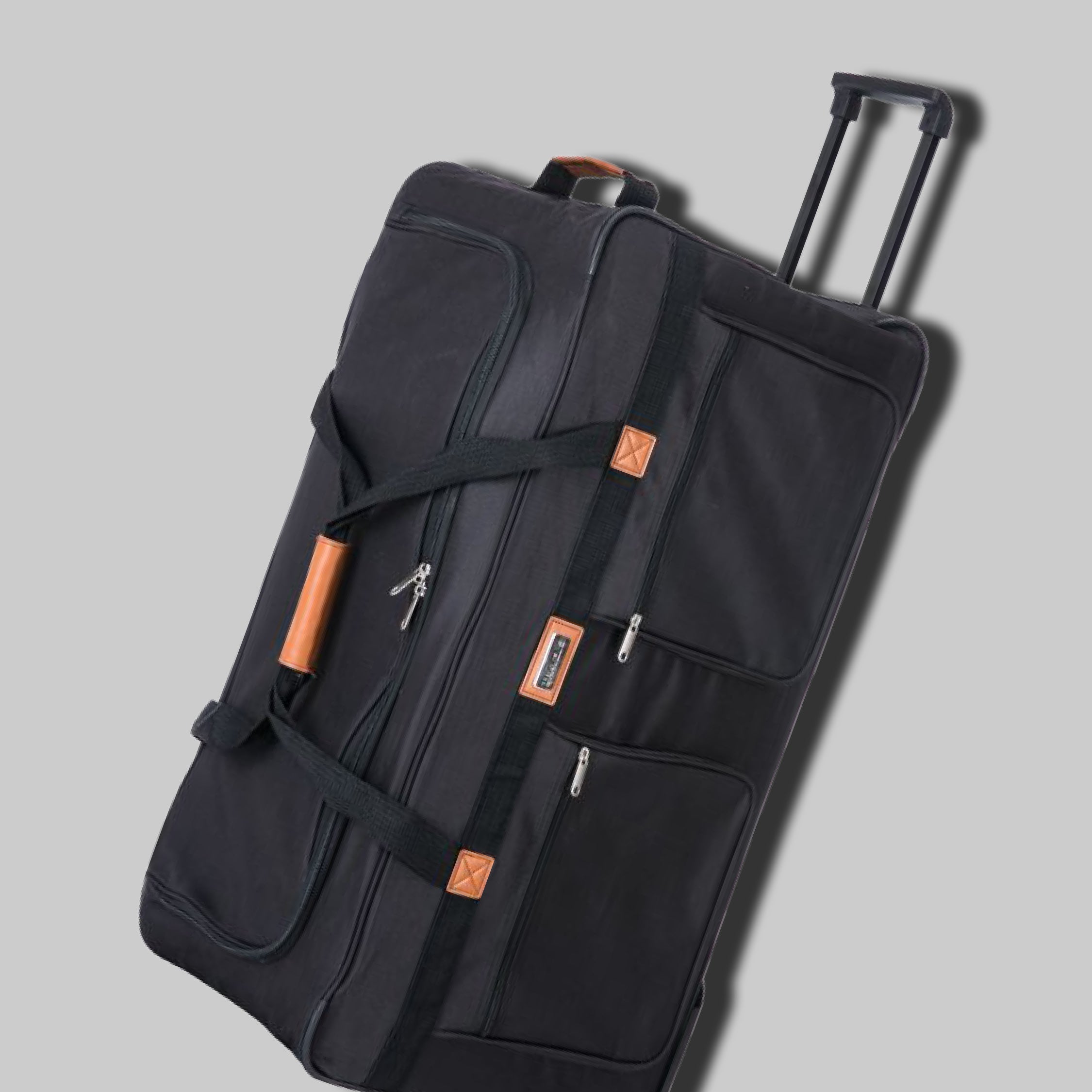
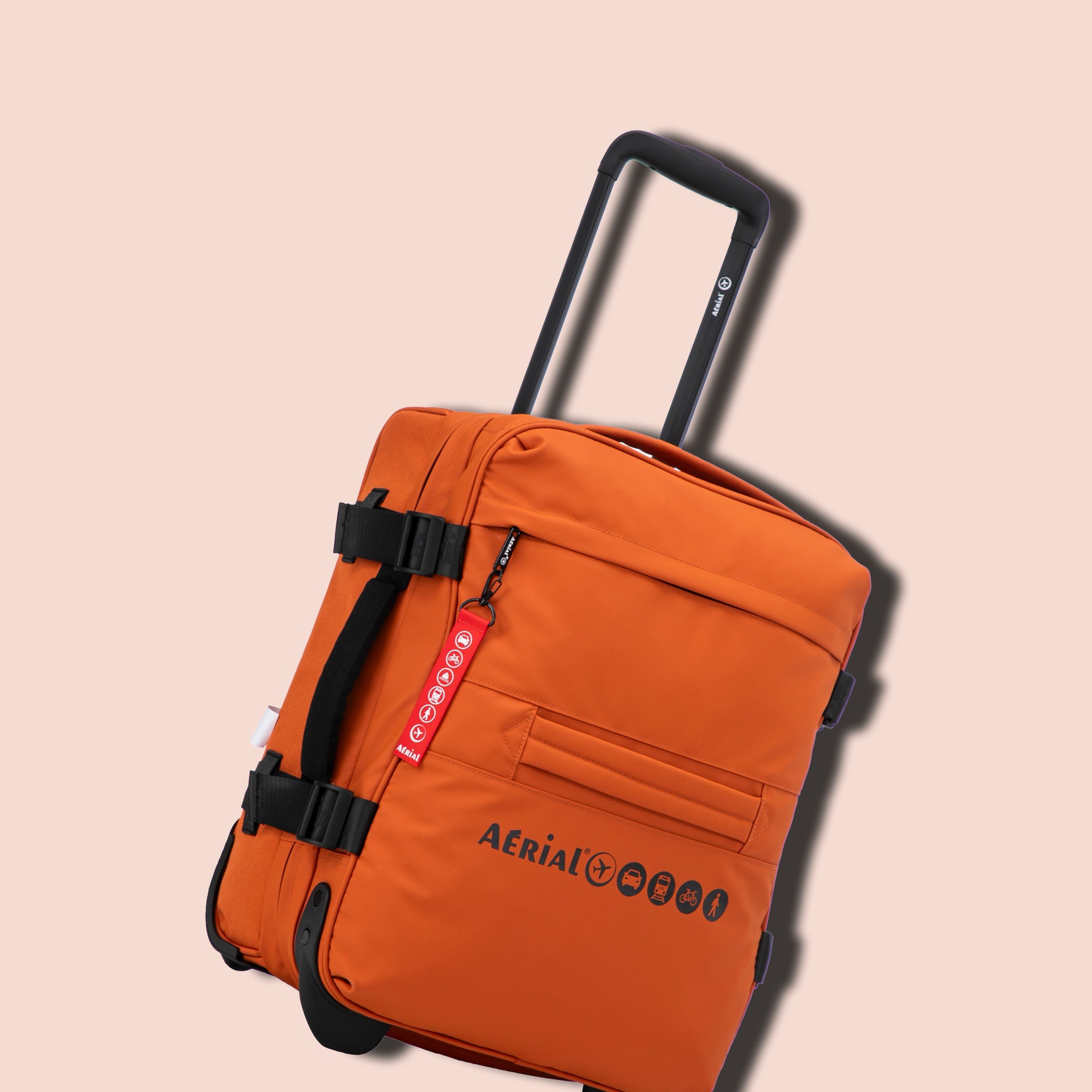
Let's start with suitcases made of polyester, nylon, or other fabrics. These are considered soft-sided suitcases. They have the advantage of being generally inexpensive and can accompany you on all your occasional trips. They also have the benefit of being able to change shape to adapt to different dimensions or compartments, provided, of course, that you don't damage the contents.
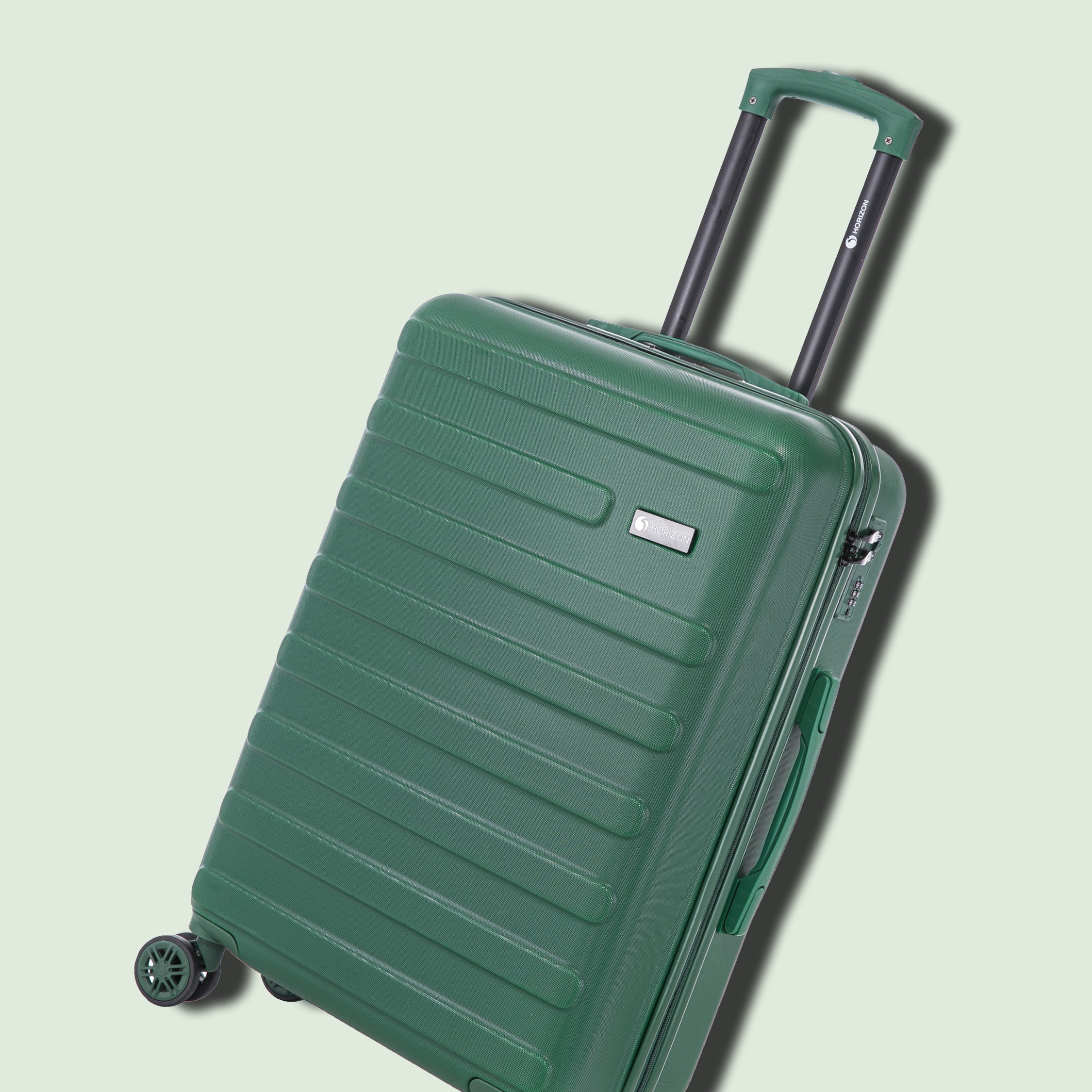
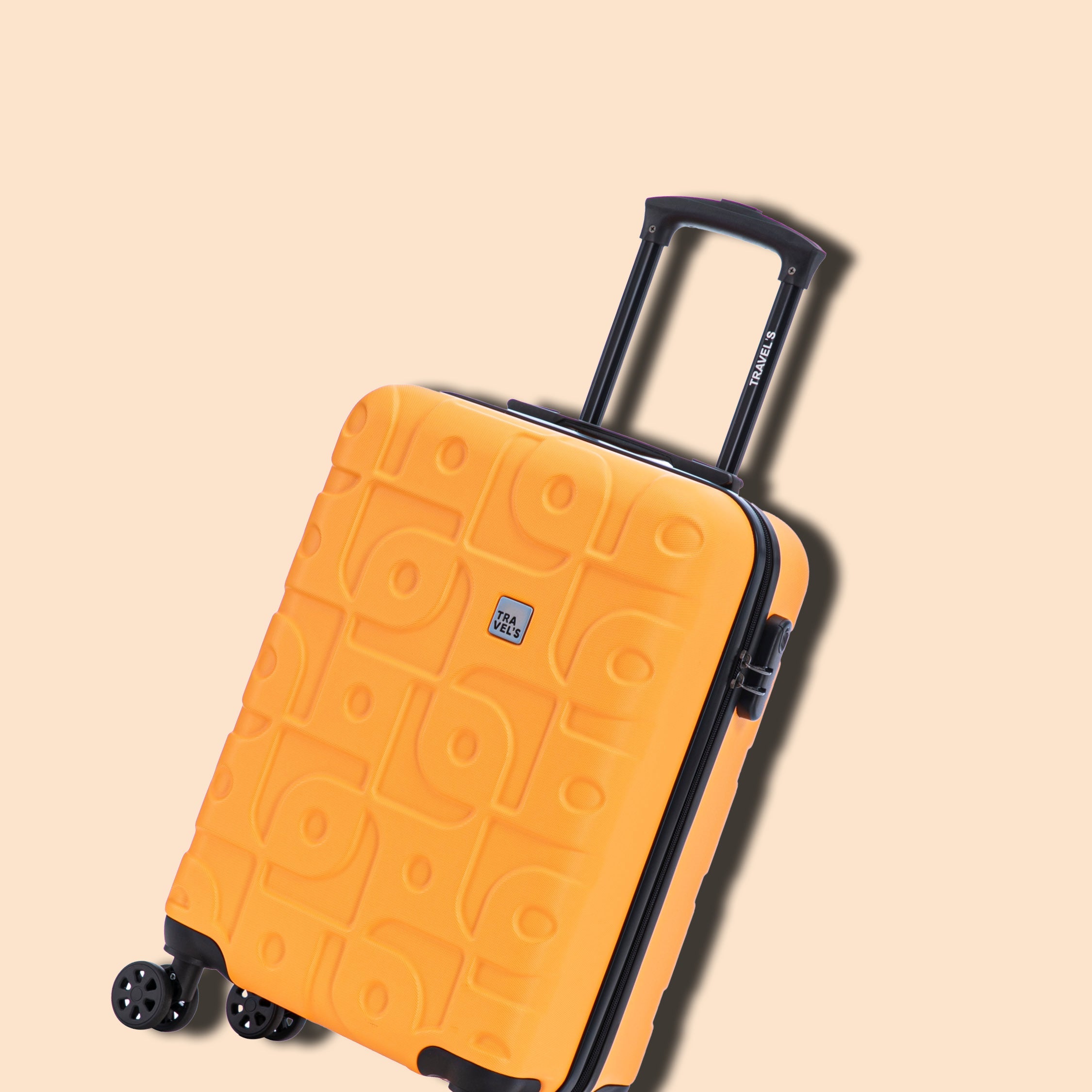
Next come the ABS cabin suitcases are much more rigid. They are very impact-resistant but heavier than usual when empty. They are ideal for frequent use. They are similar to polycarbonate suitcases but lighter. Whatever your choice, the most important factor is the frame. It's what will absorb most of the impact and protect your belongings. A good frame will ensure many trouble-free trips.
Cabin baggage storage capacity
A suitcase should be able to hold all the belongings you need while traveling. Therefore, you need enough space for everything to fit, especially with low-cost airlines! There are two main types of packing solutions: the 50/50 divider and the "plumber's" divider. Each has its advantages and disadvantages depending on your needs.
A 50/50 split cabin suitcase is a piece of luggage that opens into two equal compartments via a central opening. These two compartments have the same capacity, allowing you to pack a maximum of belongings on both sides of your suitcase. There is usually a zipper on each compartment to keep the two sections separate once the suitcase is closed.
The Plumber divider system also features two openings, one on the top of the suitcase and one on the bottom. The volumes of the two compartments are typically set at 20% for the top compartment and 80% for the bottom compartment. The smaller compartment can hold items you want to access easily, while the larger compartment provides more space for the rest of your belongings. This is ideal for storing passports, airline tickets, and any other devices you need to take out for security checks.
The ideal number of wheels for a cabin suitcase
The number of wheels on a carry-on bag may seem like a minor detail, but it can be crucial in certain situations. You'll need to move around in the boarding areas, security checkpoints, waiting areas, and passenger areas of the airport. The mobility of your suitcase is therefore essential, especially if you want to move quickly and easily through the airport. A bag without wheels shouldn't be too heavy. Your back and shoulders won't thank you otherwise. In waiting areas or queues, you'll be forced to lift and put down your bag repeatedly. And even if you're in peak physical condition, long queues will quickly test your patience, and you'll miss the wheels. suitcases without wheels are being used less and less as cabin suitcases, but continue to be in high demand as travel bags.
We find the rolling suitcases with 2 or 4 wheels depending on the models offered, the two-wheeled cabin suitcases They have their wheels on the side of the handle. You then need to tilt the suitcase slightly to move it very easily. 2-wheel suitcases offer the necessary comfort and are still cheaper than 4-wheel suitcases.
For the With four-wheeled cabin suitcases, you're at the heart of innovation and technology. Indeed, four-wheeled suitcases offer complete 360° maneuverability, without needing to tilt the suitcase. This carry-on will be perfect for effortless travel! However, beyond the number of wheels, their quality remains a crucial factor. High-quality wheels won't wear out or come loose. They also provide excellent maneuverability and smooth rolling during your travels. Don't hesitate to check the width of the wheels and whether they can be easily removed and replaced. A two-wheeled suitcase with good quality components is preferable to four wheels that are impossible to change and will break after just a few trips.
Which closure system should I choose for my cabin baggage?
There are several types of closures for a carry-on suitcase. The most common system remains the zipper, an ultra-practical way to open and close your suitcase. However, not all zippers are created equal. If you've ever had several pieces of luggage, you've probably noticed that the zipper jams very often on some and much less frequently on others. Indeed, constantly opening and closing your suitcase several times a day during your trip puts a lot of strain on the mechanism. Your luggage has to withstand dozens of openings per day, which is why a strong, well-made zipper is essential. Nobody wants to experience the moment when you lift your suitcase and the zipper breaks, sending everything tumbling to the floor.
Another, less well-known locking system is the clip-on suitcase. The advantage of this system is that it makes accessing the contents of your suitcase much easier, but this advantage is a double-edged sword, as it also makes it much easier for someone else to access your belongings. The clip is a rigid metal frame that closes your luggage once activated. This system also has the drawback of adding weight to your luggage. Some clip-on suitcases are designed with security in mind; they are more difficult to open, but you can travel with peace of mind. They feature an airtight locking system that prevents anything from getting in or out.
Locks on cabin suitcases:
Many suitcases have built-in locks to protect their contents. This is a recommended solution to prevent theft, whether for a small cabin bag as with a rigid suitcase or a Travel bag . For this, you have two choices: combination locks or key locks. Combination locks are often the best solution. It's impossible for an outsider to open it. You can't lose the key since the code is in your head; you just mustn't forget it. Key locks are very useful because they are very easy to use. The only difficulty with this type of security is keeping the key in a safe place. Anyone who has the key can access your suitcase.
Finally, the last locking system remains the TSA lock . This type of lock is essential if you are traveling to the USA, as US and Canadian customs officials have the right to open your luggage for inspection. Furthermore, if your luggage is locked with a non-TSA lock, they will have no qualms about breaking it, regardless of whether they damage your luggage or not. The TSA system allows access to the contents of your suitcase using a "master key" held only by customs officers. Your luggage therefore remains protected and can be inspected at any time.
Brands to choose for your cabin suitcase
Bagages à vivre has selected for you the best leather goods brands that will guarantee you well-made products that last over time.
First, the Aérial baggage line Its reputation stems from its perfect suitability for travel by plane or train. The brand belongs to the group Horizon stands out with its cabin suitcases that meet strict size requirements accepted by all airlines, including low-cost carriers. Their interiors are optimized for efficient packing.
Then there's the Horizon Premium brand, a long-established name thanks to its durable luggage and efficient features that make all your travels easier. These repairable suitcases play a significant role in reducing environmental impact. The range offers hard-shell suitcases with ample capacity, ideal for frequent travelers.
Once you've chosen and purchased your cabin suitcase, don't forget to check the list of prohibited items and products on airplanes. Also, be sure to optimize the interior space of your suitcase using our cabin baggage packing tips. We hope you found this guide helpful and that it assists you in making your choice. Feel free to contact us. If you have any questions at all!