
GMS Diffusion - 27 bis avenue du Général de Gaulle - 72000 Le Mans - 02 43 20 69 40

Choosing the right travel bag
Which travel bag should I choose?
The type of trip you're planning will be a determining factor in your choice of travel bag, and vice versa. Therefore, instead of listing different travel options (although that could be very interesting), we'll highlight the different types of luggage . We will classify them one by one, and at the same time give you our opinion on the quality of the luggage and its durability.
A hard or soft travel bag?
Most people tend to think that hard- shell suitcases will be of better quality than similar soft-shell models. But this isn't necessarily true. Many factors come into play: what material is it made of, what is the price range, and above all, what will its intended use be? From this perspective, they can be divided into two categories: rolling luggage and the hand luggage/backpack .
Rolling luggage
This type of luggage is primarily chosen when you have a large amount of belongings to transport: professional equipment or for a trip of a week or more. If you don't need to move around much during your stay and the travel bag can remain in a closed space (hotel room), or simply if you don't want to carry it, it can be a good solution. But you still need to find the shape and size that will suit you.
The hard-shell suitcase
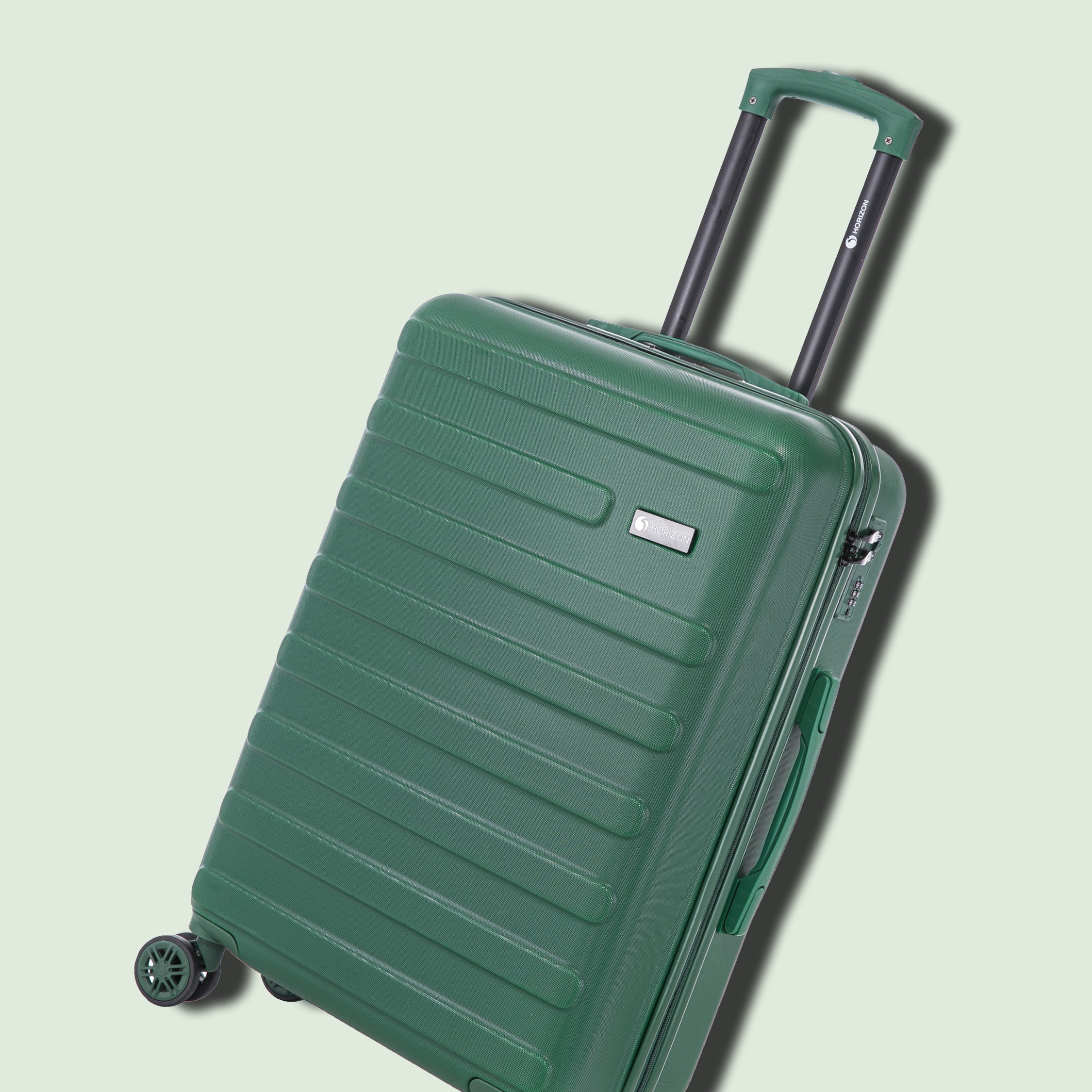
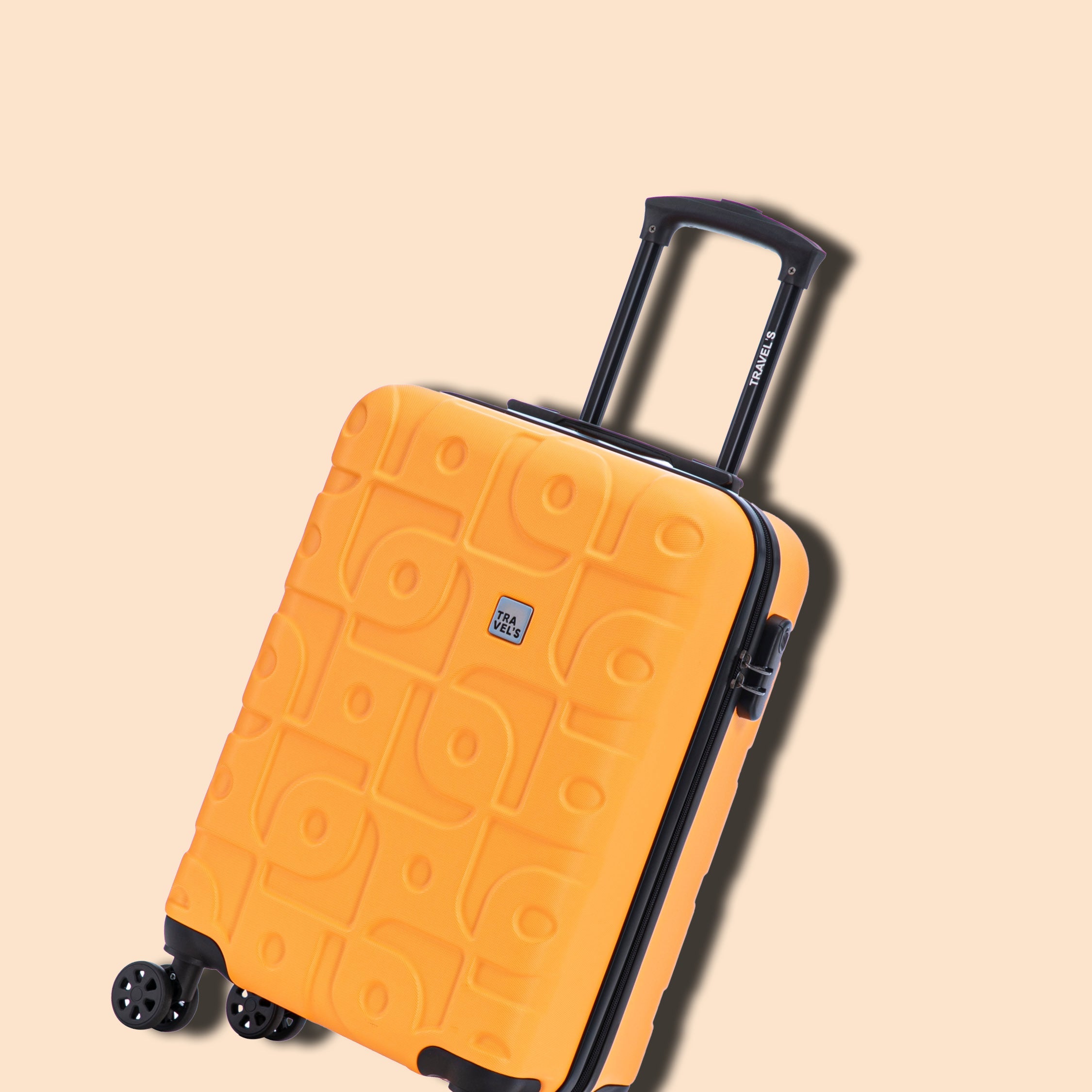
It's worth noting that hard-shell suitcases are often compared to soft-sided ones. Here are our arguments: First, hard-shell suitcases have a rectangular shell on both sides, offering better protection than other types of luggage on the market. Most of these shells are made of polycarbonate (PC) or ABS.
The first (PC) is the oldest technology. It was invented in the 1950s and remains the benchmark for hard-shell suitcases. This is because it is still the strongest and most flexible material we have found so far, as it manages to absorb shocks while remaining the lightest product on the market. ABS is a bit heavier and less resistant; it's a rigid material used to make iconic Lego bricks and even some small boats. Therefore, we recommend using polycarbonate.
It is important to know that all the rigid travel bags They are not 100% made of these materials. The higher the percentage of these materials, the lighter and more durable the suitcase will be. However, there is one drawback to this type of suitcase: it can only be packed within its available space, unlike fabric models which are more flexible when it comes to closing them (in other words, you don't have to sit on them to close them). Also, be aware that the size you need will affect the price of the luggage (a 20% increase between cabin and XXL sizes), as will the range of higher-quality products which incorporate other technologies (aluminum, polypropylene, etc.), resulting in greater strength, lighter weight, and a higher price.
The soft suitcase
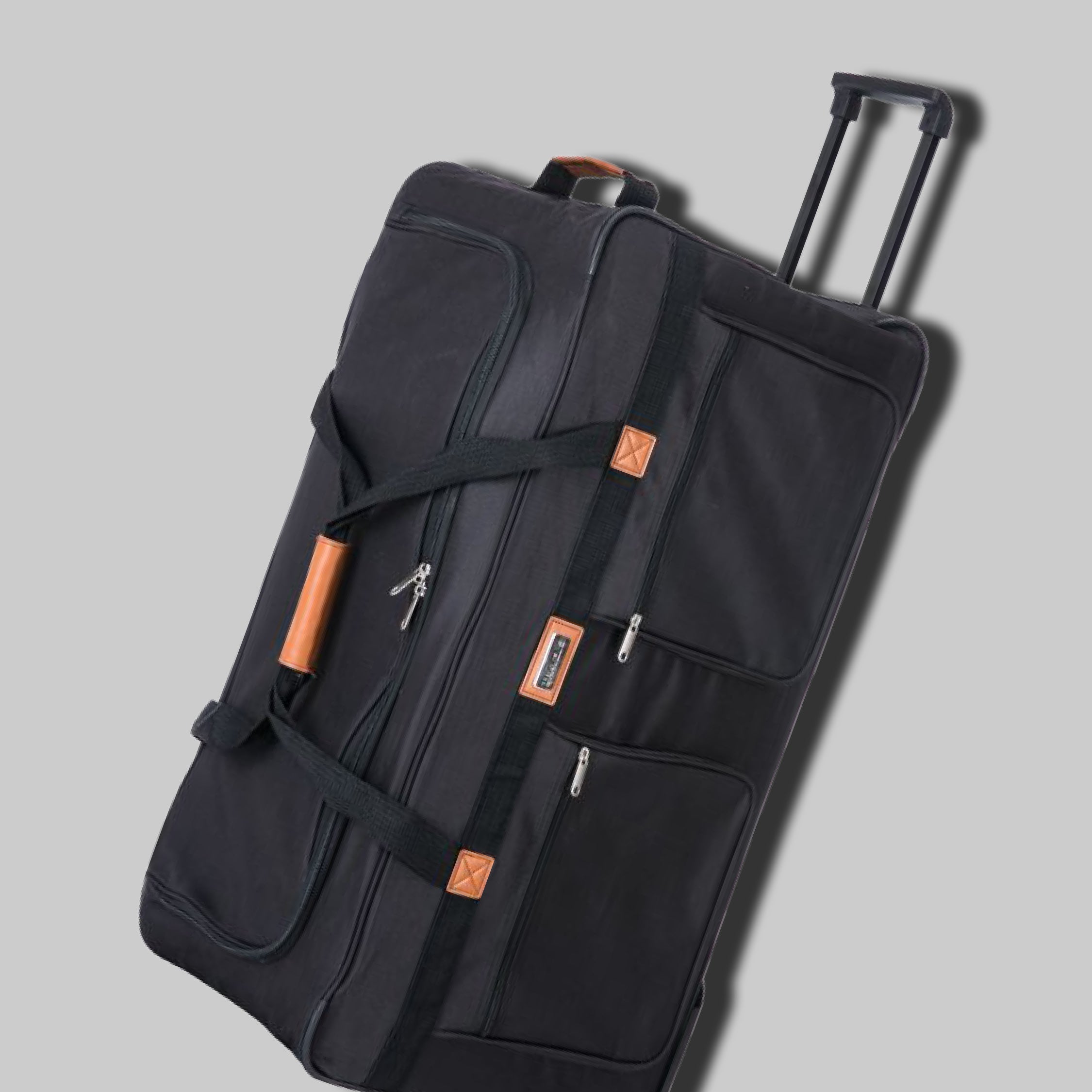
Soft-sided suitcases Soft-sided suitcases are generally made of fabric (nylon, polyester) and have the main advantage of being lightweight. While the materials used in hard-shell suitcases have become lighter in recent years, they are still far from those of a soft-sided suitcase. Furthermore, a soft-sided suitcase offers greater packing possibilities. It is usually equipped with numerous pockets and can be packed quite full. Consequently, given its flexibility, it is better suited for carrying a lot of gear.
It's true that compared to a hard-shell suitcase, a fabric model offers less protection, especially for transporting fragile and heavy items. Therefore, it's necessary to use alternative methods to ensure their safety (for example, wrapping them in towels). Another drawback is the poor water resistance of fabric suitcases, as fabric absorbs liquid more easily than a hard shell. Finally, the biggest debate concerns durability. Fabric models wear out more slowly, and hard shells are more prone to cracking. However, we tend to recommend... soft suitcases for use in cabins.
The trolley travel bag
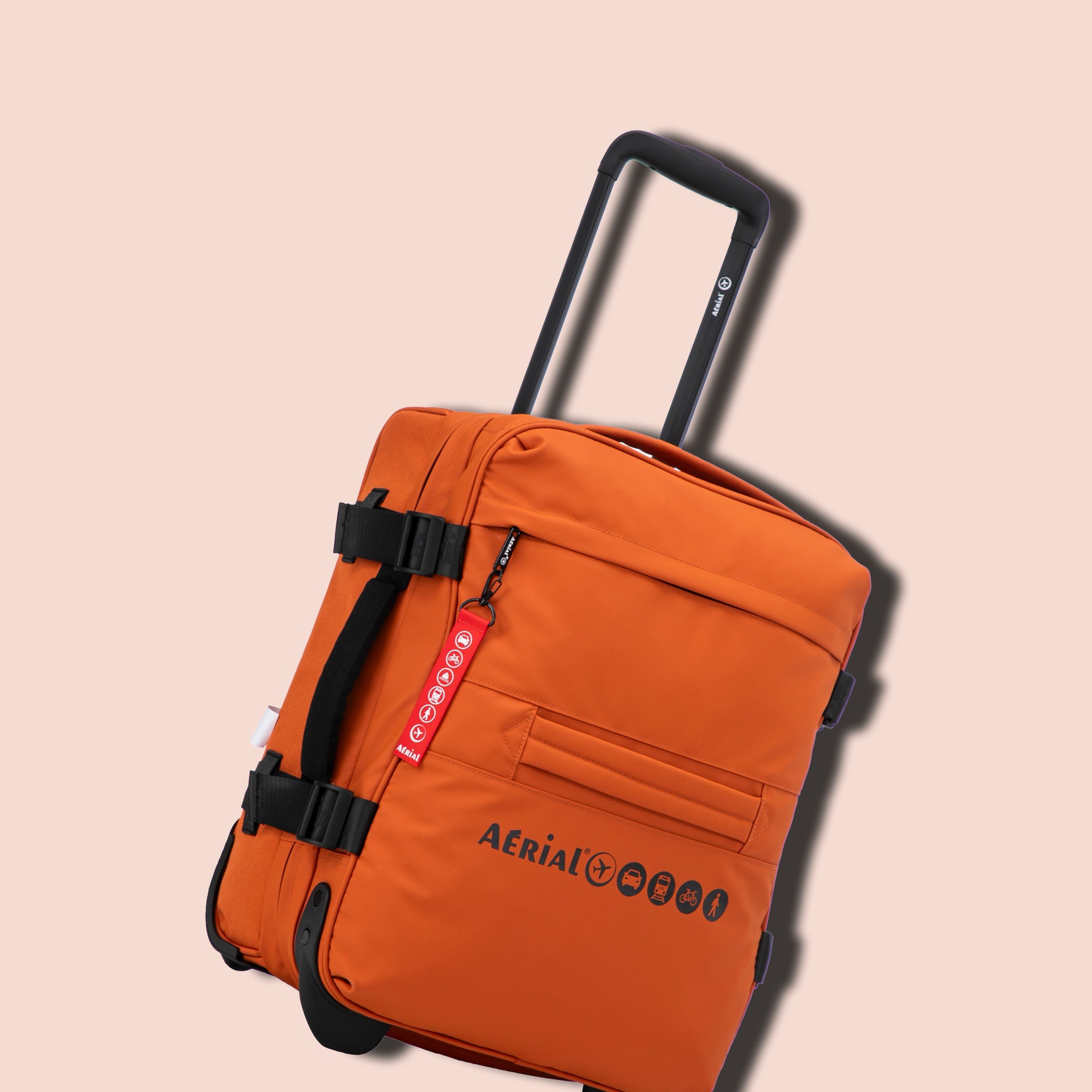
THE trolley bag is actually a rolling bag, which strikes a perfect balance between modularity, ease of transport, and lightness. Its main advantage is that it's easier to handle than a A classic suitcase . Its fabric is generally softer than a suitcase, so it can be packed more easily. It's lighter than any other type of suitcase, and it's also the travel bag with the least protection for your belongings.
Hand luggage
In this category, we will only classify bags that offer the sole possibility of being carried. Even though there have been several hybrids in recent years, in most cases these bags do not have wheels, but two handles for carrying in the hands, a wide strap for wearing over the shoulders, and a zipper to close everything.
They are flexible and allow you to pack your bag efficiently. They come in various materials: coated cotton, nylon, leather, etc. The price of the model generally depends on its quality and where the travel bag was made. Carry-on luggage is usually... are used for short stays or for certain luggage with permanent personal belongings (business trips, hiking, trekking, etc.).
The weekend bag
The weekend bag is specifically designed to allow you to carry your belongings for two days. Some people prefer nylon duffel bags. While inexpensive, they are sturdy and durable, but they can't withstand multiple weekend trips because they tear easily. The best choice is a leather bag or one with leather reinforcement.
On the one hand, it will be more elegant, since the concept of fashion has been inseparable from the weekend bag, and it is therefore now considered a true fashion accessory. And on the other hand, it will be stronger and more resistant to external damage.
Due to its size, this weekend travel bag is comparable to a carry-on suitcase. Their capacities are similar, but they offer several advantages. The suitcase can roll (but be warned, 10 minutes of walking will leave you with ringing in your ears all day), so it's generally easier to carry, better protected, and smaller. For leather travel bags, it's primarily a matter of style. But it's more versatile and can be stored in almost any space: an airplane trunk or a train cabin.
The backpack
If in the past the backpack Once the quintessential backpacker's bag, it has now become a favorite accessory for all travelers. It's generally synonymous with practicality, as it frees up your hands and distributes the weight evenly across both shoulders. Furthermore, it comes in various sizes to suit your needs: 30L, 50L, 80L, and so on. It's also highly valued for its ample storage capacity and numerous pockets, especially in hiking models. The variety of styles and its status as a fashion accessory offer a range of options, from hiking and mountaineering to minimalist designs, and from a variety of materials (leather, nylon, cotton) for short trips. For longer journeys (over a week), however, the selection is somewhat more limited.